
Tecta brought three historic Bauhaus pieces to the Design Nation show in Berlin in 2025, using the exhibition to mark the Bauhaus Dessau Foundation's centenary and demonstrate how the 1925 relocation brought the movement's ideas into contact with manufacturing reality.
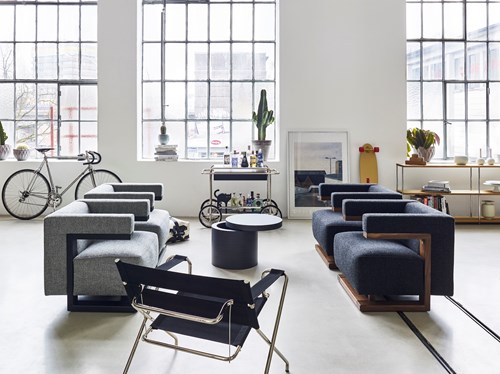
Bauhaus furniture bridged middle-class comfort with industrial production methods
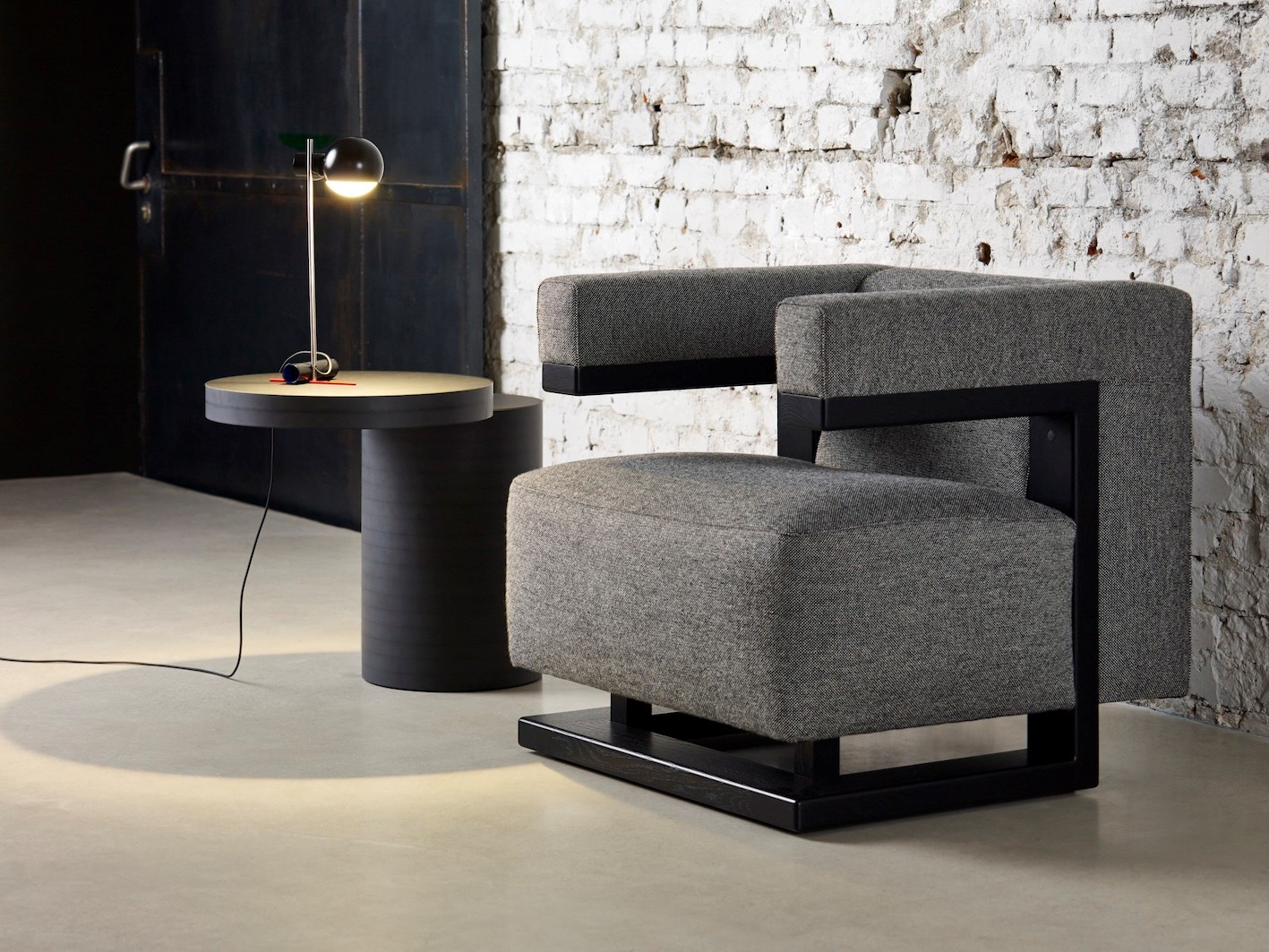
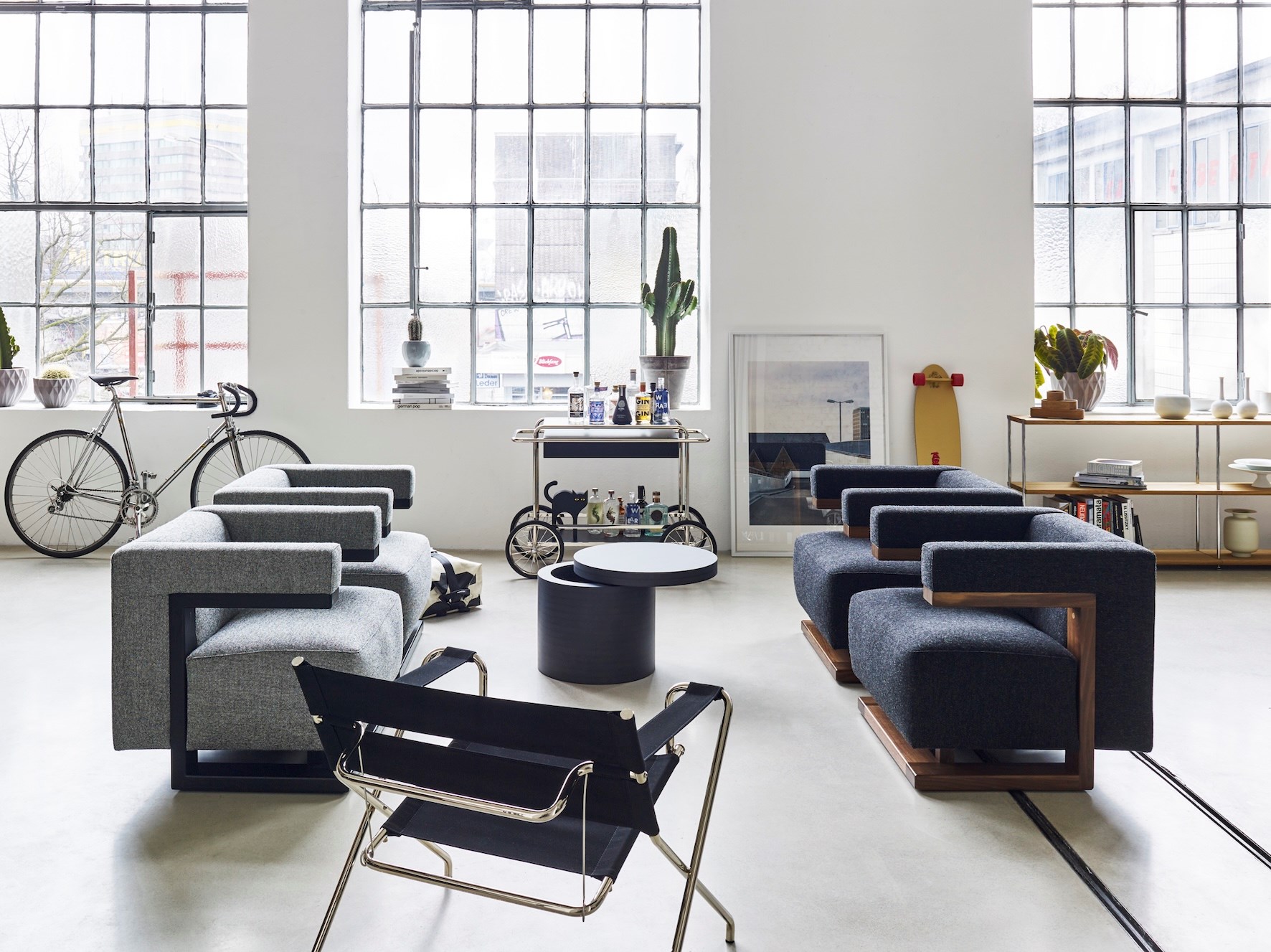
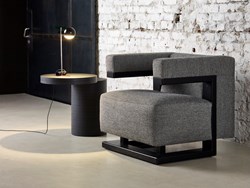
When the German art school and movement the Bauhaus relocated from Weimar to Dessau in 1925, its founder Walter Gropius was making a practical decision as much as an ideological one. Creative work in Weimar had become constrained by conservative local attitudes. Dessau, with its expanding industrial base, offered access to manufacturing expertise and materials. The removal lorry that arrived one March morning carried relatively little—amongst the items was Gropius's F51 armchair, one of three pieces brought to the Design Nation trade show in October 2025. The other pieces Tecta exhibited were the B40 and the D4.
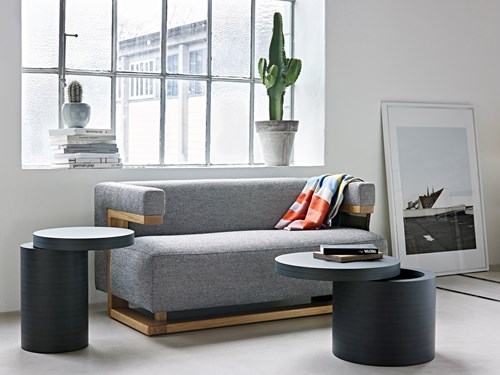
Experimentation with tubular steel in Dessau resulted in some classic modernist pieces of furniture
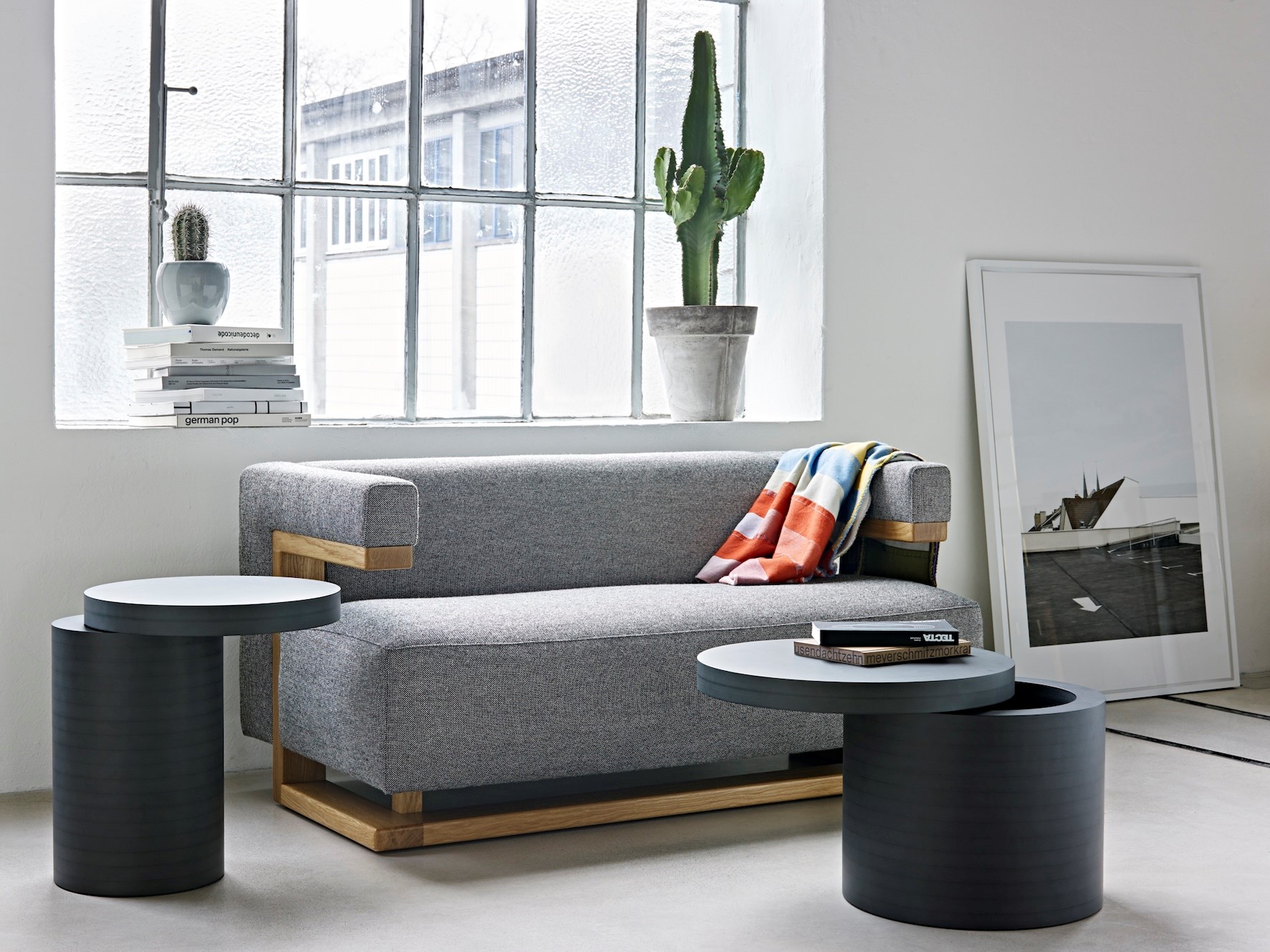
The F51, with its cubic form and substantial upholstery, represented an attempt to reconcile middle-class comfort with industrial production methods, an approach that suited Dessau's manufacturing-focused character. The product would go on to influence trendy decoration for decades to come.
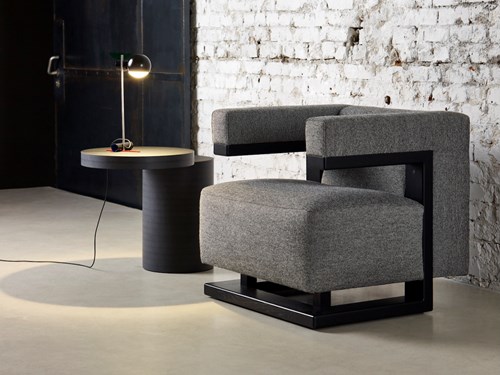
These chairs exemplify Bauhaus modernism's rejection of heavy traditional furniture
Giving some further geographical context, Dessau’s industrial infrastructure proved useful for the work of the Bauhaus. Around a third of Dessau's 15,000 factory workers were employed by the Junkers Group, founded in 1919 by Hugo Junkers. The company worked extensively with tubular steel, a material valued for being both light and strong. Marcel Breuer, who ran the Bauhaus furniture workshop from 1925 to 1928, saw potential in the material. At the Junkers factories, he was able to experiment with tubular steel for furniture, assisted by the company's engineers and craftsmen—establishing principles that would become central to a made-in-design philosophy.
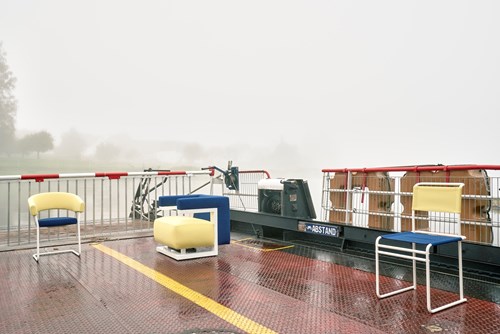
The materials used offer both lightness and strength for innovative furniture design
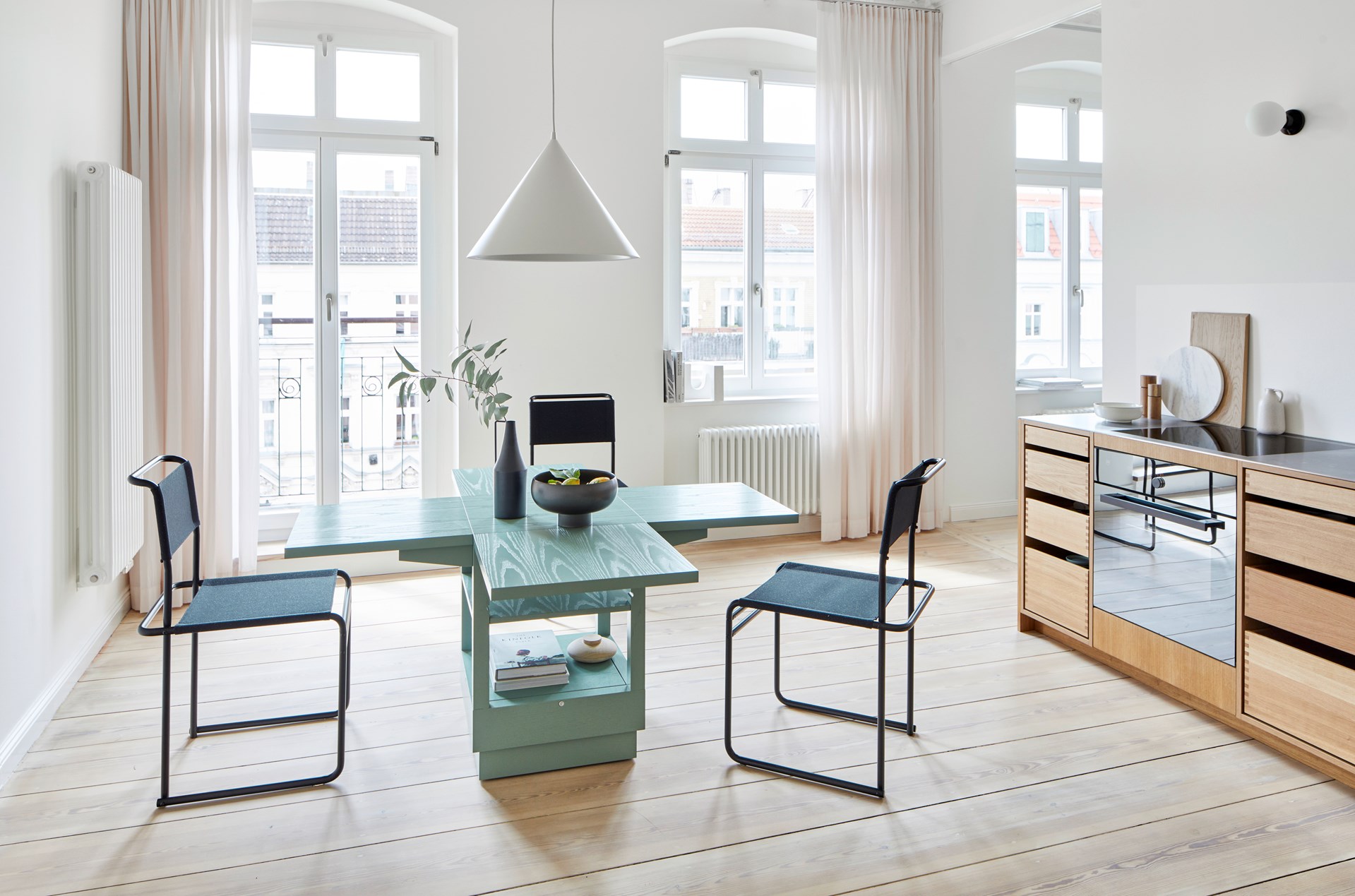
Breuer later attributed his tubular furniture designs to observing bicycle handlebars whilst cycling. His B40 chair became a recognisable example of Bauhaus design, deliberately lighter than traditional furniture. The use of steel's elastic properties and bent tubing provided strength with less material. The D4 armchair, designed in 1926–27 with Junkers-Werke, developed these ideas further. This folding club chair with belt upholstery was intended for ships, sports facilities, summer houses and cafés. The design progressed from the B9 stool through to the Wassily armchair, with foldability adding a practical dimension.
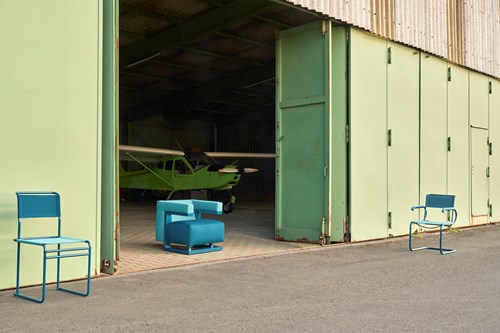
Dessau's industrial infrastructure provided access to manufacturing expertise and materials
These three Tecta pieces—the F51, B40 and D4—represent a period when art and technology was cleverly realised through furniture design. This connection is why Tecta partnered with the Bauhaus Dessau Foundation, focusing on how these principles might apply now. The central question concerns sustainability: how would the Bauhaus address contemporary environmental concerns?
The company is using the D4 as a test case, incorporating sustainable green steel, environmentally designed fabrics and circular design concepts. The project has no predetermined outcome, following the Bauhaus approach of working through dialogue and construction rather than fixed solutions. The updated D4 will be shown at the 2026 Bauhaus anniversary. A century after Dessau, the work continues.
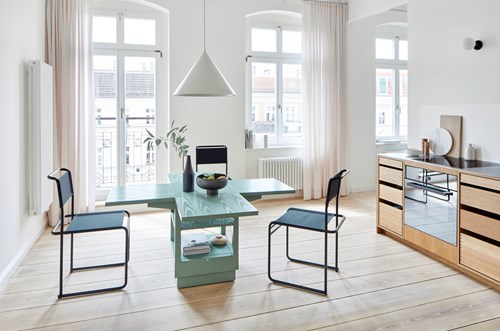
Contemporary furniture makers continue exploring Bauhaus principles through sustainable materials
Copyrights all pictures: Constantin Meyer Fotografie & Sabrina Rothe Photography